
Fall in Little Cottonwood Canyon
Written by Jake Kunst
There's a short window every year when Little Cottonwood Canyon does something most visitors never plan around: it turns gold, red, and orange before the snow shows up and buries it all. Fall here doesn't get the same attention as ski season or the wildflower rush of summer, but for the few weeks it lasts, the canyon might be at its best.
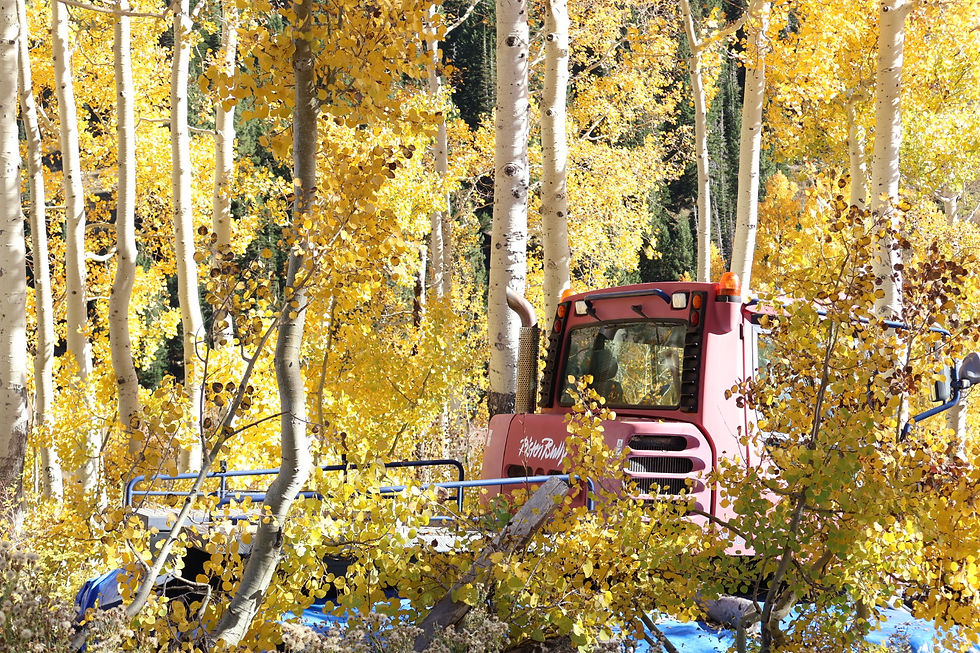
The Light Change
Before the leaves even turn, you notice the light. The high summer sun that flattens the canyon walls in July gives way to something lower and warmer, catching the granite cliffs at an angle that makes them glow gold in the late afternoon. Little Cottonwood's walls — some of the best granite climbing in the country — take on a different personality entirely once autumn light hits them.
Scrub Oak and Aspen, Not Just Aspen
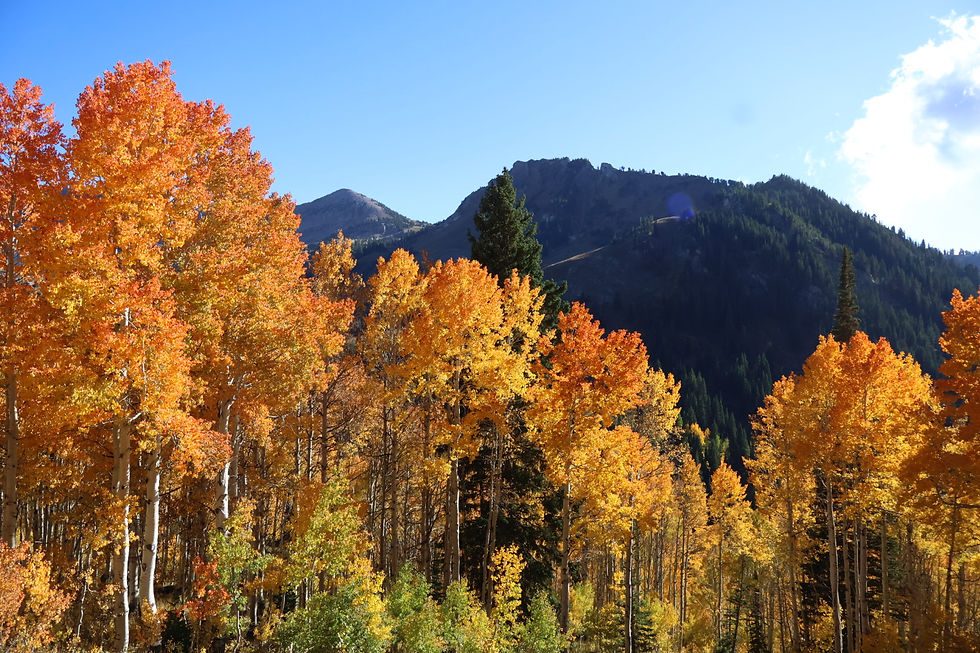
Most people think of "fall foliage" and picture aspen groves, and Little Cottonwood has those — clusters of white trunks and quaking gold leaves scattered up toward Albion Basin and along the canyon's upper reaches. But the real signature color of this canyon comes from Gambel oak, the scrub brush that blankets the lower slopes. It turns a deep, rust-red that aspen can't match, and against the gray granite and the last patches of green, it makes the whole canyon look like it's on fire from a distance.
Albion Basin's Last Act
Albion Basin, above Alta, is known for its wildflowers in July, but it puts on a quieter, less crowded show in September and early October. The same meadows that fill with lupine and paintbrush in summer turn a muted gold-brown, and with the crowds gone and the air sharper, it's arguably the better time to be up there. Cecret Lake — the small alpine tarn near the top of the basin — is especially good in fall, since the surrounding slopes turn color and reflect off the water on a still day.
A Narrow Window, and That's the Point
The tricky part about fall in Little Cottonwood is that it doesn't last. Because the canyon runs high — Alta sits close to 9,000 feet at its base — the color often peaks in mid-to-late September and can be gone within a couple of weeks, especially once the first real snow hits the upper elevations. That narrowness is part of the appeal. Fall here rewards people who pay attention and go when it's happening rather than waiting for a "good weekend," because there might only be two or three of them.
How to Actually See It
The Albion Basin road (open through early fall before winter closures) is the easiest way to get up into the color without much effort. For something more active, the hike to Cecret Lake or up toward Catherine Pass gets you above the oak brush and into the aspen stands directly. And if you'd rather just take it in from the road, the drive up Little Cottonwood Canyon itself — with the granite walls on one side and the turning brush on the other — is one of the better fifteen-minute drives in the state.
Fall in Little Cottonwood is a hinge season — the last stretch before the canyon shuts down for winter prep and the crowds shift from hikers and climbers to skiers. It's brief, it's easy to miss, and that's exactly why it's worth planning to visit.
Comments